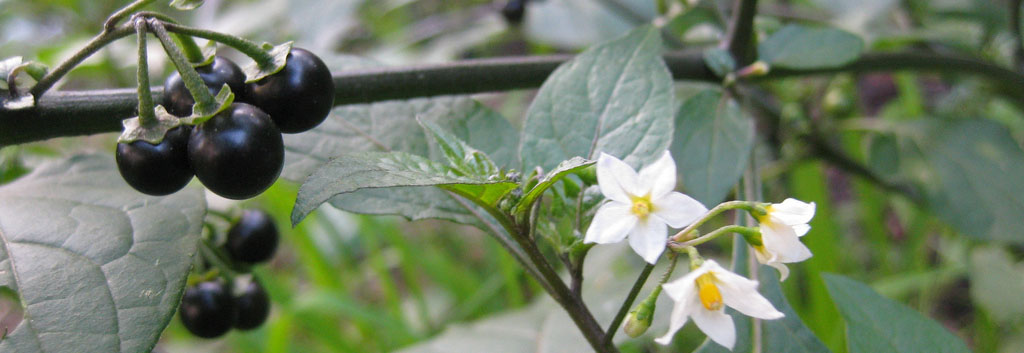

Weeds are more than the unwanted plants that grow in your garden and in between your pavers. Any plant can be a weed. Our natural environments—or bushlands—are also threatened and impacted by invasive plants—weeds. A bushland weed (or environmental weed) is a plant which threatens or negatively impacts natural ecosystems.
The impact of weeds in bushland
Bushland weeds pose a serious threat to Western Australia’s rich natural biodiversity.
How weeds can drive biodiversity loss:
- Outcompeting native species for resources, including available nutrients, water, space and sunlight.
- Replacing the native plants that animals use for shelter, food and nesting.
- Impacting on native plants or animals due to toxins they release or contain, or excluding animals from their habitats because of thorns or other harmful characteristics.
- Providing resources like habitat for introduced animal pests.
- Altering fire regimes, potentially making fires more intense, and possibly altering their seasonality and frequency
Weeds threaten vulnerable flora and ecosystems. The impact is particularly noticeable for critically endangered plants, which are highly susceptible to the encroachment of invasive bushland weeds. Weeds can outcompete local native flora, leading to at-risk species being restricted to small, disrupted areas, even contributing to their decline.
Where do our weeds come from?
Most of our weeds originate outside of Australia. Plants naturally reproduce and disperse, but human-mediated dispersal of plant materials around the world has increased the opportunity for intentional and accidental introduction of exotic plants.
Some of our most prolific bushland weeds are from places with a similar climate. The similar climatic conditions allow them to grow well, and a lack of factors acting to control the population mean they can thrive without limitation—thus becoming weedy. For example, many South African wildflowers have become bushland weeds in south-west Western Australia since being introduced as garden plants.
Garden plants can ‘escape’ via seed dispersal means and sometimes illegal waste dumping. Weed seeds can ‘hitch a ride’ with humans, vehicles, animals, and along watercourses, which facilitates their spread.
Australian native flora as weeds
Not all our bushland weeds come from across the ocean—there are also some Australian native species that have become weeds in parts of Western Australia.
For example, the Sydney golden wattle (Acacia longifolia) is native to southeastern Australia but since being introduced as a garden plant (and restoration planting in some cases), it has become a serious bushland weed throughout the south-west of Western Australia.
“Some of our local native plants are naturally restricted in the landscape but can still exist, and even thrive, when planted outside of their natural distribution. Eventually these introduced natives can self-seed and out-compete local native plants, thus becoming weeds.
When these plants naturalise, they can change the structure of bushland, creating dense canopy or scrub thicket layers for example. In almost all cases they have become established through amenity plantings, inappropriate revegetation or as garden escapees.”
Julia Cullity, Bushland News, Spring 2009
Even some native Western Australian species have extended their range and become weeds. A local example can be made of the well-known WA native Geraldton Wax (Chamelaucium uncinatum), which occur naturally throughout the Quindalup dune system north of Perth. However, amenity and garden plantings of Geraldton Wax and its’ cultivars have escaped and invaded many bushland sites along the south-west coast, where it causes major structural changes to plant communities. In these situations, the plant is considered an environmental (bushland) weed, which justifies its’ management as such.
Why the name Bushland Weeds?
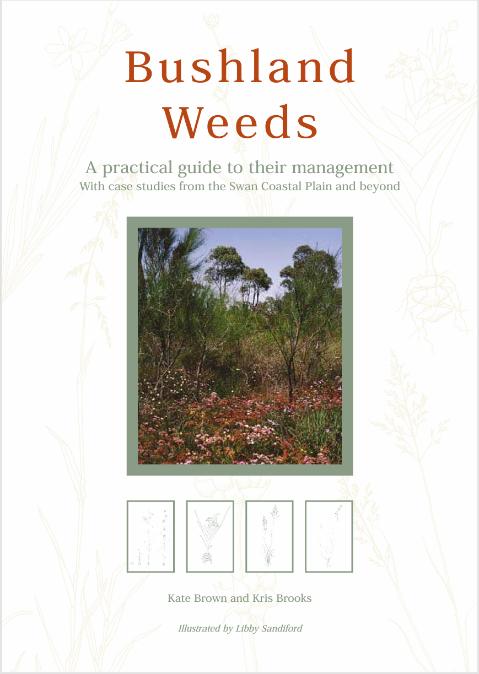 Bushland Weeds: A practical guide to their management is a book by Kate Brown and Kris Brooks, and was the result of a project supported and published by the Environmental Weeds Action Network (now-dissolved). The book contained biological information and recommended control methods for bushland weeds of the Swan Coastal Plain. Some years later, the next evolution of this was Swan Weeds, a database that delivered its information on weed biology and management recommendations online through FloraBase.
This site honours the excellent resource about Western Australia’s bushland weeds and expands beyond just the weeds of the Swan Coastal Plain. In the interest of Western Australia’s diverse environments—and the many different weeds throughout—the Bushland Weeds website covers environmental weeds throughout all Western Australia.